Mold is a naturally occurring type of fungus that grows in damp or humid environments. While mold plays an important role in nature by breaking down organic material, it can become a problem when it develops inside a home. Indoor mold growth can affect both the condition of a property and the health of the people living in it.
Mold spreads through microscopic spores that travel through the air. When these spores land on surfaces with enough moisture, they can begin to grow and multiply. This is why mold is commonly found in areas where moisture tends to accumulate, such as basements, bathrooms, crawl spaces, attics, and around plumbing leaks.
What Causes Mold Growth in Homes?
Mold needs three basic things to grow: moisture, a food source, and the right temperature. Homes provide many surfaces that mold can grow on, including wood, drywall, insulation, and even dust.
Common causes of mold growth include:
-
Roof leaks
-
Plumbing leaks
-
Poor ventilation in bathrooms or kitchens
-
High indoor humidity levels
-
Water damage from flooding or storms
-
Condensation around windows or HVAC systems
Even a small moisture issue can lead to mold growth if it is not addressed quickly.
Signs Mold May Be Present
Mold is not always visible. In many cases, it grows behind walls, under flooring, or inside insulation where it may go unnoticed for long periods of time.
However, some common warning signs include:
-
Musty or earthy odors
-
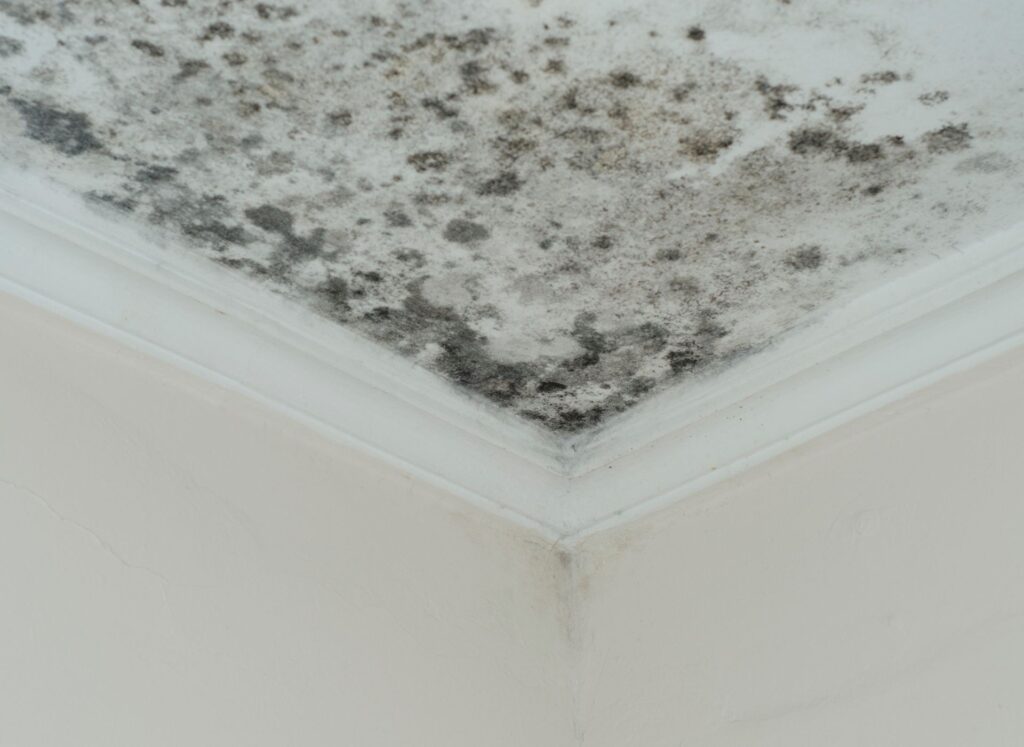
Dark spots or discoloration on walls or ceilings
-
Peeling paint or bubbling drywall
-
Increased allergy-like symptoms in occupants
-
Past or ongoing water damage
Because mold can develop in hidden areas, a professional mold assessment is often the best way to determine whether there is a problem.
Why Mold Assessments Are Important
A mold assessment helps identify whether mold is present, what conditions may be contributing to its growth, and what steps may be needed to correct the issue. The process may include a visual inspection, moisture readings, and air or surface sampling when appropriate.
Understanding the presence and source of mold allows homeowners to address the underlying moisture problem and prevent the issue from returning.
For homebuyers and sellers, mold assessments can also provide clarity during a real estate transaction, helping both parties understand the condition of the property.
Protecting Your Home
The most effective way to prevent mold growth is to control moisture. Addressing leaks quickly, maintaining proper ventilation, and managing indoor humidity levels can significantly reduce the likelihood of mold developing.
If mold is suspected, a professional evaluation can help determine the extent of the issue and guide the next steps toward resolution.